
Multi Mill
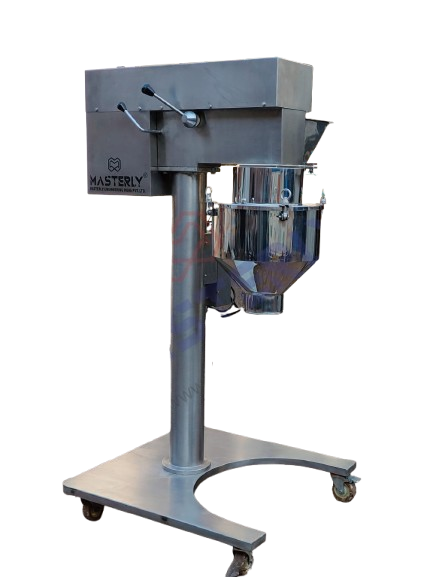
High-Quality Multi Mill Machine
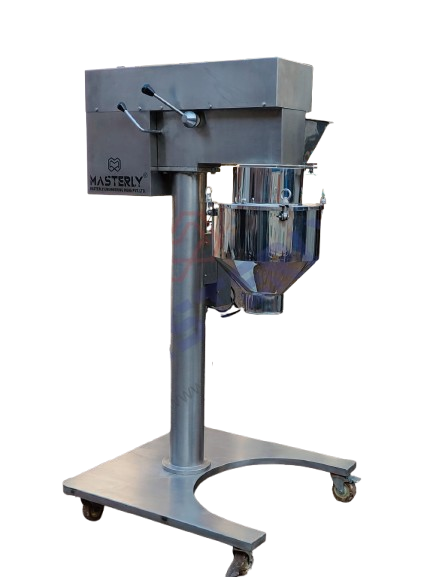
Categories: Mixer Blender, Powder Mixer
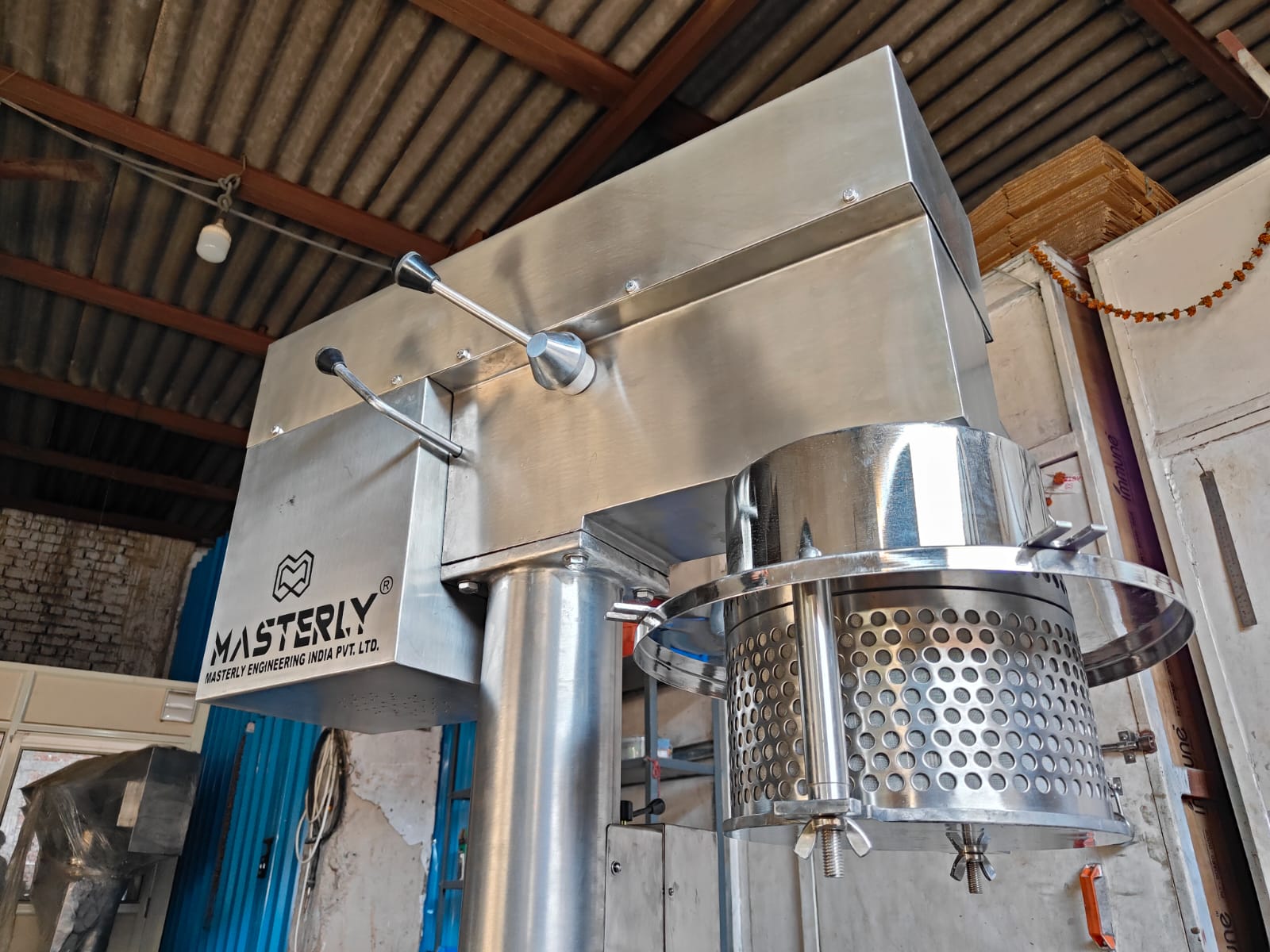
Key Features:
- High-Speed Operation: Variable speed drive allows for adjustment based on material characteristics.
- Sturdy Construction: Made with high-grade stainless steel (SS 304/316) for durability and hygiene.
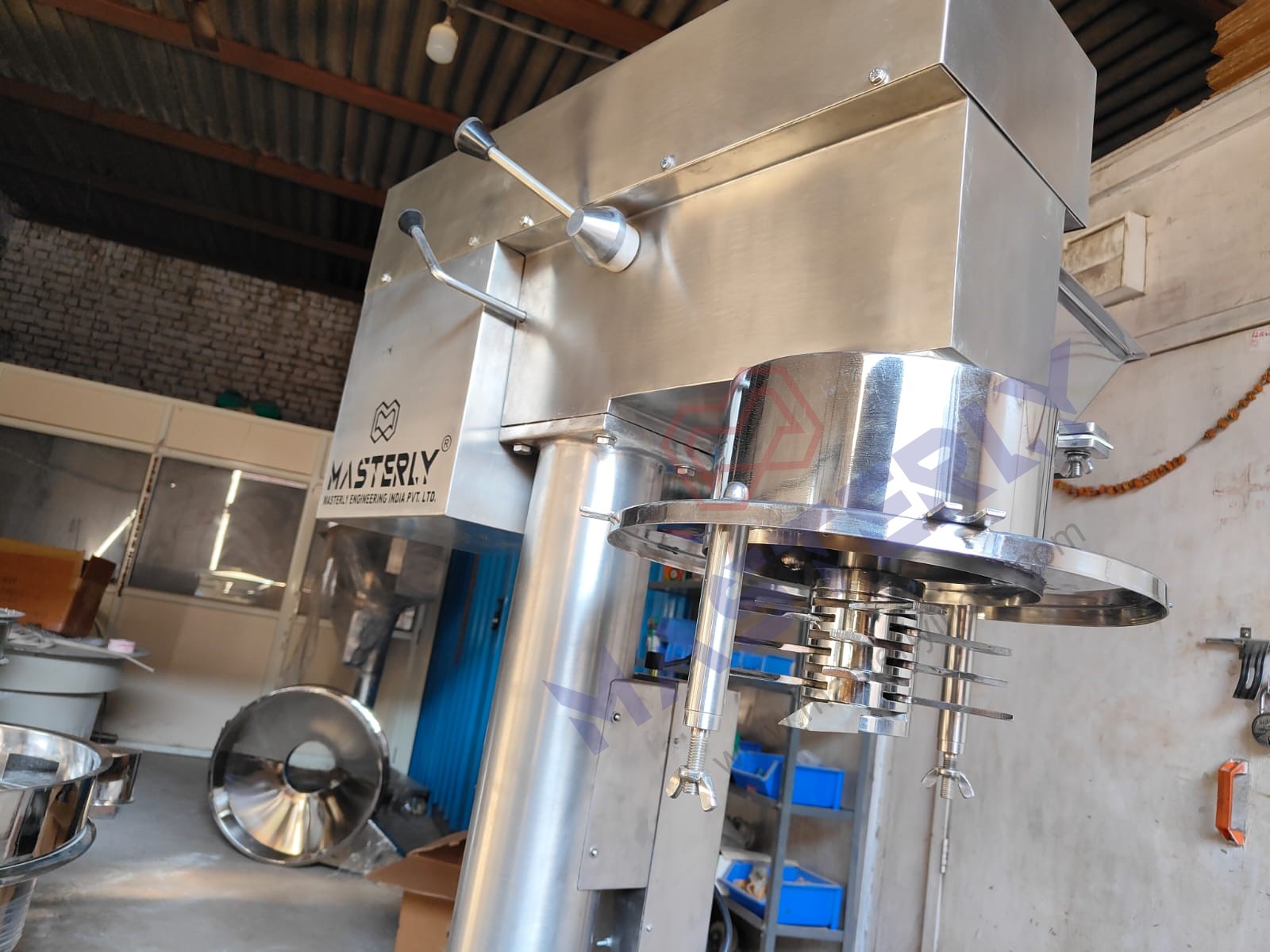
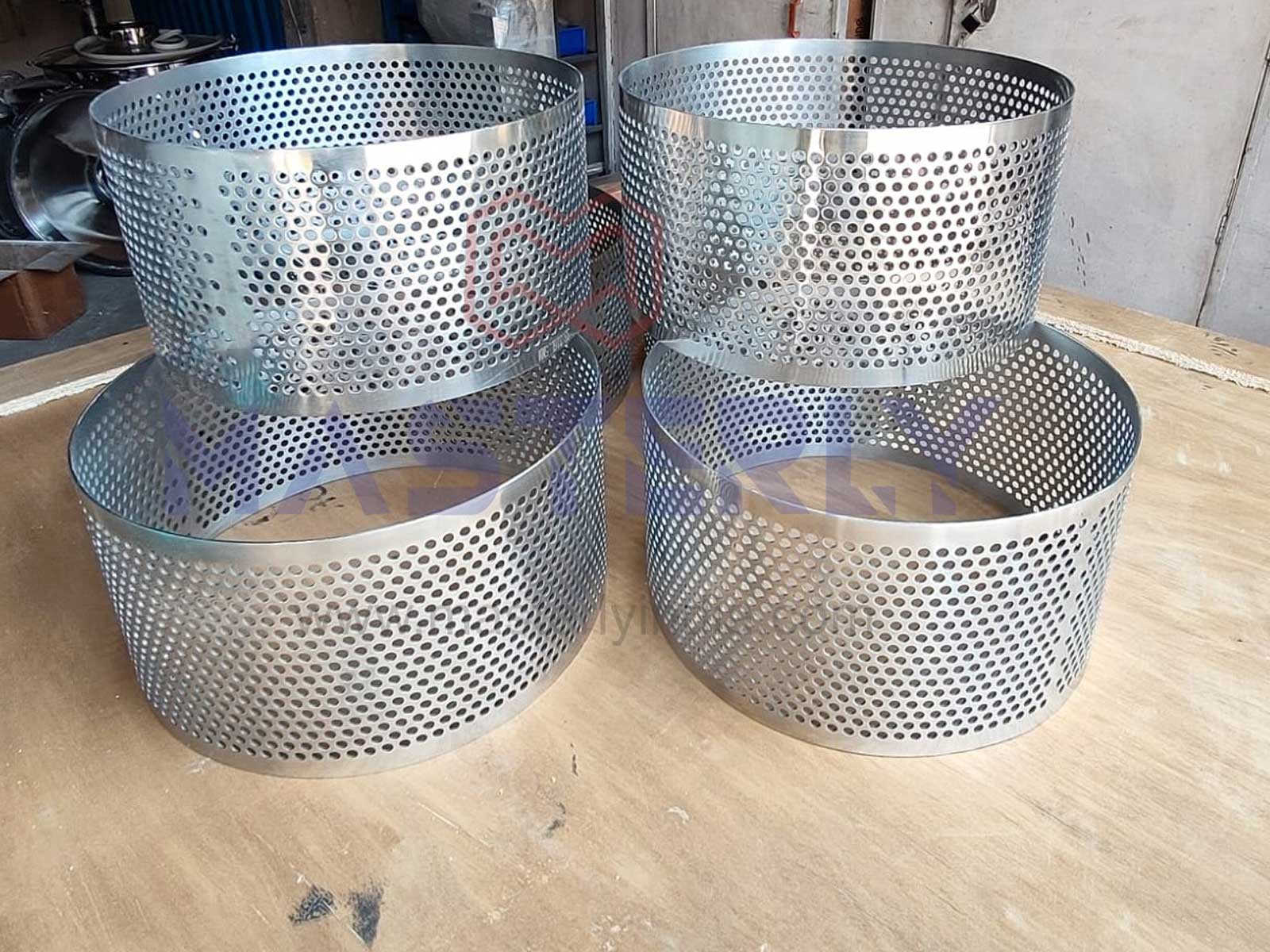
- Multiple Blade Options: Interchangeable screens and beaters enable customized processing.
- Easy Cleaning & Maintenance: Tool-free dismantling of parts for fast cleaning and changeover.
- Compact Design: Space-saving structure suitable for large-scale production environments.
Technical Specifications:
- Motor: 1 – 7.5 HP (customizable)
- Output: Up to 200 kg/hr (depending on product and screen)
- Screen Diameter: 250 – 300 mm
- Material of Construction: SS 304/316
- Safety Features: Overload protection, interlocking system
Advantages:
- Uniform output with minimal fines
- Dust-free operation with optional dust extractor
- Energy-efficient and operator-friendly design
Applications:
- Pharmaceutical granulation and pulverization
- Food ingredient size reduction
- Cosmetic material blending
- Chemical powder processing
Standard Multi Mill Model Specification :
| Parameter | Specification |
| Model Name | Multi Mill |
| Output Capacity | 50 to 200 kg/hr (depending on material & screen) |
| Rotor Speed | 750–1500 RPM (variable with VFD, if installed) |
| Motor Power | 1 HP TO 7.5 / 3 Phase / 1440 RPM |
| Screen Diameter | 260-300 mm |
| Screen Hole Sizes | 0.25 mm to 12 mm (interchangeable) |
| Material of Construction | SS 304 (SS 316 optional for contact parts) |
| Feeding Method | Hopper with gravity feed |
| Discharge Arrangement | Inline bottom discharge with container port |
| Safety Features | Emergency stop, overload protector, locking lid |
| Mounting | Castor wheels for mobility or fixed legs |
| Net Weight | ~150–200 kg |
| Compliance | cGMP / FDA / CE compliant (as per configuration) |
Optional Features :
Selective Features to Opt in Multi Mill
- AC frequency drive for variable speed.
- Belt less Drive.
- Inline milling process with HSMG and Sifter.
- Flame Proof electrical.
In which industry is Multi Mill used for which work ?
Industries That Use Multi Mills
Pharmaceutical Industry
- Wet and dry granulation before tablet compression
- Pulverizing of raw materials (API and excipients)
- Blending and homogenizing powders
- Rework of tablets (grinding defective tablets back into powder)
Chemical Industry
- Pulverizing dyes, pigments, and powders
- Size reduction of catalysts and chemicals
- Granulation of materials for easier handling or reaction control
Food & Beverage Industry
- Grinding of spices, herbs, and condiments
- Crushing and mixing of food powders (e.g., cocoa, sugar)
- Preparing premixes and seasonings
Cosmetic Industry
- Mixing and milling of powders used in makeup, skincare, etc.
- Homogenizing herbal extracts and creams (in powder form)
- Processing raw materials like clays and binders
Ayurvedic & Herbal Industry
- Grinding leaves, roots, barks into fine powders
- Making herbal granules for capsules or tablets
- Blending of natural ingredients
Agriculture & Fertilizer Industry
- Pulverizing seeds, grains, roots
- Granulating organic or chemical fertilizers
- Processing animal feed components
Pesticide & Insecticide Industry
- Grinding powders for dusting agents
- Pre-processing materials for spray formulations
- Preparing fine chemical blends
Detergent & Soap Industry
- Milling detergent powders and soap bases
- Granulating raw materials for uniform product mixing
How To Select A Multi Mill ?
Choosing a Multi Mill (commonly used in pharmaceutical, chemical, cosmetic, and food industries) requires evaluating several factors to ensure it meets your production and material handling needs. Here’s a comprehensive guide on how to choose a Multi Mill:
✅ Purpose of Use
- Material Type: What material are you processing—powder, granules, wet mass?
- End Goal: Are you doing size reduction, granulation, pulverization, or mixing?
✅ Capacity Requirements
- Batch Size: Choose based on your average and peak batch sizes.
- Output per Hour: Typical multi mills range from 50 to 200 kg/hr or more.
- Ensure the motor and sieve can handle your expected throughput.
✅ Design and Construction
- GMP Compliance: Crucial for pharmaceuticals—ensure it’s built with SS 304 or SS 316 stainless steel.
- Contact Parts: Must be made of food/pharma grade steel.
- Ease of Cleaning: Look for quick dismantling design for easy cleaning and changeover.
✅ Blades and Screens
- Rotor Design: Knife, impact, or screen type depending on your application.
- Screen Types: Hole size (0.25 to 12 mm) affects granule size—choose based on your required fineness.
- Look for interchangeable screens for flexibility.
✅ Motor and Drive
- Motor Power: Commonly 1–5 HP motors—more for industrial-scale operations.
- Variable Speed Option: VFDs allow better control of processing speed.
✅ Safety Features
- Mechanical Safety: Ensure the machine has overload protection, emergency stop, and safety guards.
- Electrical Safety: Check for compliant electrical systems and grounding.
✅ Automation and Controls
- Manual vs Automatic: Decide if you want a semi-automatic or fully automatic setup.
- PLC Integration: For better control in automated plants.
✅ Mobility and Mounting
- Caster Wheels: Required if you need to move it around frequently.
- Fixed Base: Better for vibration control in a permanent setup.
✅ Brand and After-Sales Support
- Choose Masterly® Engineering a reputable manufacturer with:
- Proven track record in your industry
- Availability of spare parts
- Service support and documentation
✅ Cost vs Value
- Don’t just compare price—evaluate value over time, including durability, support, and downtime.
📝 Questions to Ask the Masterly Engineering as your preferred Supplier
- Can you provide performance validation data?
- What sieves and rotors are available?
- What are the lead time and warranty terms?
What is the difference between co Mill and multi Mill ?
Key Differences:
| Feature | Co-mill (Conical Mill) | Multi-mill |
| Principle | Impeller and screen | Impact and shearing |
| Material Handling | Dry and not extremely hard materials | Slightly hard, wet, and lumpy materials |
| Applications | De-lumping, de-agglomeration, fine grinding | Granulating, pulverizing, shredding, chopping |
| Output | High percentage near sieve size, lower fines | Wider range of particle sizes |
| Milling Action | Gentle | More aggressive |